
replace thatch with chromadek
Should You Replace Thatch With Chromadek? A Complete Homeowner’s Guide
Many South African homeowners eventually ask the same question: Should I replace my thatch with Chromadek? While a traditional thatched roof offers timeless beauty and exceptional character, it also requires ongoing maintenance throughout its lifespan. As properties age and maintenance costs increase, many owners begin exploring modern roofing alternatives that provide lower maintenance while still protecting their investment.
The answer is rarely straightforward. In some situations, repairing or re-thatching an existing roof provides the greatest long-term value. In others, converting to Chromadek, tiles or another roofing system becomes the more practical solution. The correct decision depends on the condition of the existing roof, the supporting structure, your long-term maintenance expectations and your available budget.
At Thatchscapes, we believe homeowners deserve honest advice rather than a one-size-fits-all recommendation. Having worked extensively with traditional thatched roofs, timber roof structures and modern roofing systems throughout Cape Town and the Western Cape, we understand both the advantages and the limitations of every option. Our objective is not simply to replace roofs, but to recommend the solution that best suits your property for the next twenty to thirty years.
When Does Replacing A Thatched Roof Make Sense?
There are several reasons why property owners choose to replace a thatched roof. Sometimes the roof has simply reached the end of its serviceable life after decades of exposure to the weather. In other cases, repeated repairs become more expensive than investing in an entirely new roofing system. Some homeowners also prefer a roof that requires less routine maintenance while providing a more contemporary appearance.
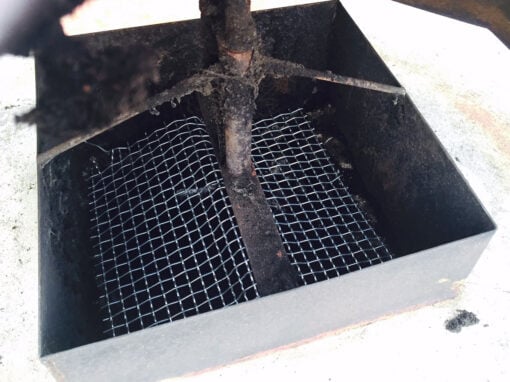
Insurance requirements have also influenced many roofing decisions over recent years. Some insurers impose additional conditions for thatched roofs or require specific fire protection measures such as spark arrestors and regular maintenance. While these requirements should never be the sole reason for replacing a roof, they often become part of the overall decision-making process.
Lifestyle changes also play a role. A homeowner who once enjoyed maintaining a traditional property may later decide they prefer a roof that demands less attention. Others may be renovating an older home into a more modern architectural style where Chromadek or tiled roofing provides a better visual match.
When Should You Keep Your Thatched Roof?
Replacing a thatched roof is not always the best investment. Many roofs remain structurally sound and only require targeted repairs or partial restoration. If the supporting roof structure is still in good condition and the thatch has sufficient remaining life, repairing or re-thatching can preserve the unique character of the property while extending the roof’s lifespan for many years.
Before deciding on a complete roof conversion, we always recommend having the roof professionally inspected. You may discover that localised repairs are all that is required. Learn more about our Thatch Roof Repairs service if your roof is leaking or showing signs of ageing, or explore our Thatch Roofing Cape Town page if you are considering a complete re-thatch instead of replacing the roof altogether.
Every Property Is Different
One of the biggest mistakes homeowners make is assuming that what worked for a neighbour or friend will automatically be the best solution for their own property. Every roof has a different history, structural design and maintenance record. Factors such as roof pitch, timber condition, previous repairs, exposure to weather and future renovation plans all influence the most suitable recommendation.
In the following sections, we’ll compare Chromadek with other popular roofing alternatives, discuss the costs involved in converting a thatched roof and explain the advantages and disadvantages of each option. By understanding every available solution, you’ll be able to make an informed decision based on facts rather than assumptions.
| Roofing Option | Maintenance | Expected Lifespan | Appearance | Our Recommendation |
|---|---|---|---|---|
| Re-Thatch Existing Roof | Medium | 20–40+ years* | Traditional Natural Thatch | Owners wanting to preserve the original character of the property. |
| Chromadek Roofing | Low | 30–50+ years* | Modern Steel Roof | Homeowners looking for a low-maintenance, durable roofing solution. |
| Concrete Or Clay Roof Tiles | Low | 40–60+ years* | Traditional Residential | Homes with roof structures capable of supporting heavier roof coverings. |
| Synthetic Thatch | Low To Medium | 20–40+ years* | Natural Thatch Appearance | Owners wanting the look of thatch with reduced ongoing maintenance. |
*Expected lifespan varies depending on installation quality, environmental conditions and ongoing maintenance.
Replace Thatch with chromadek Gallery
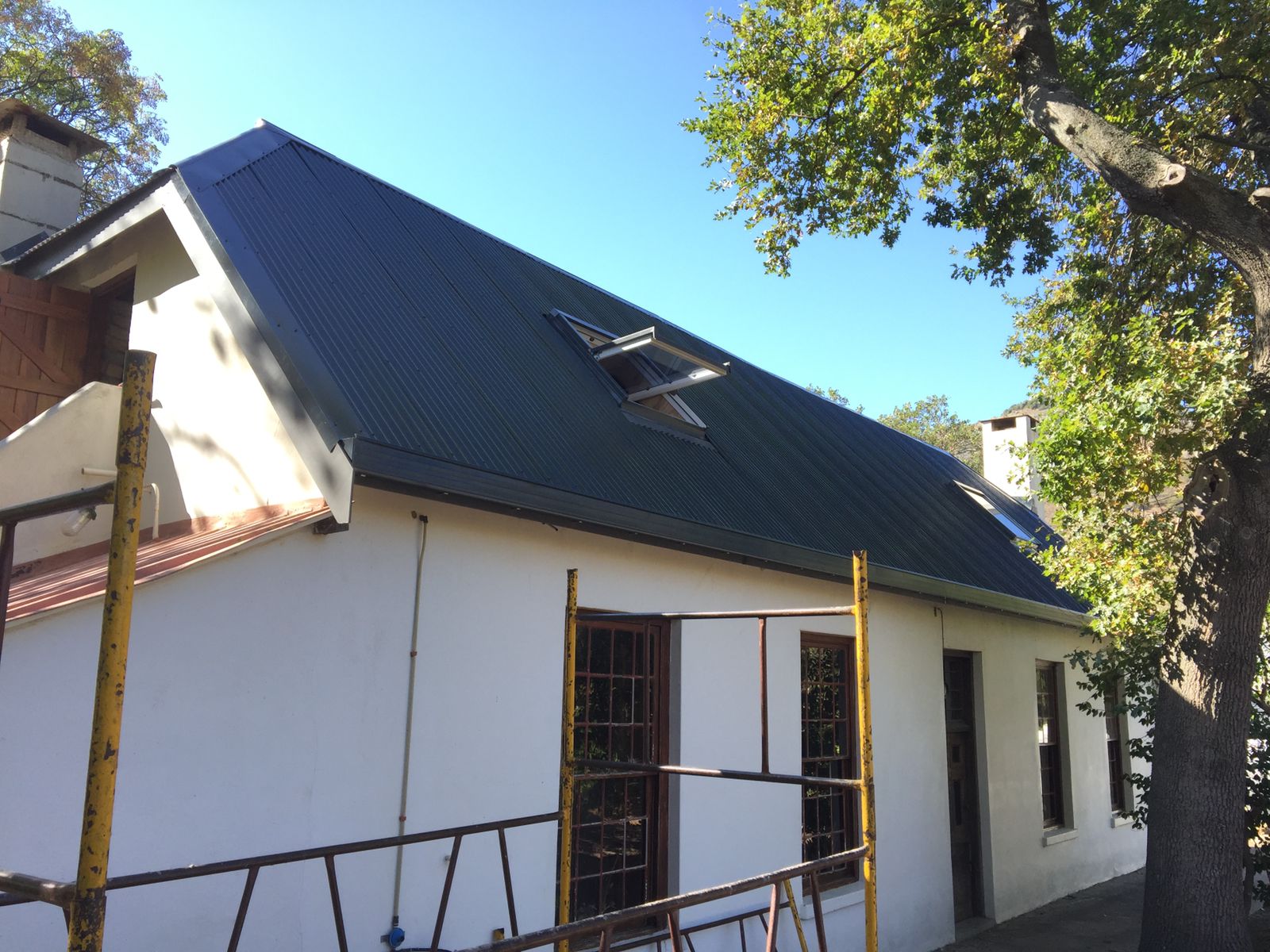
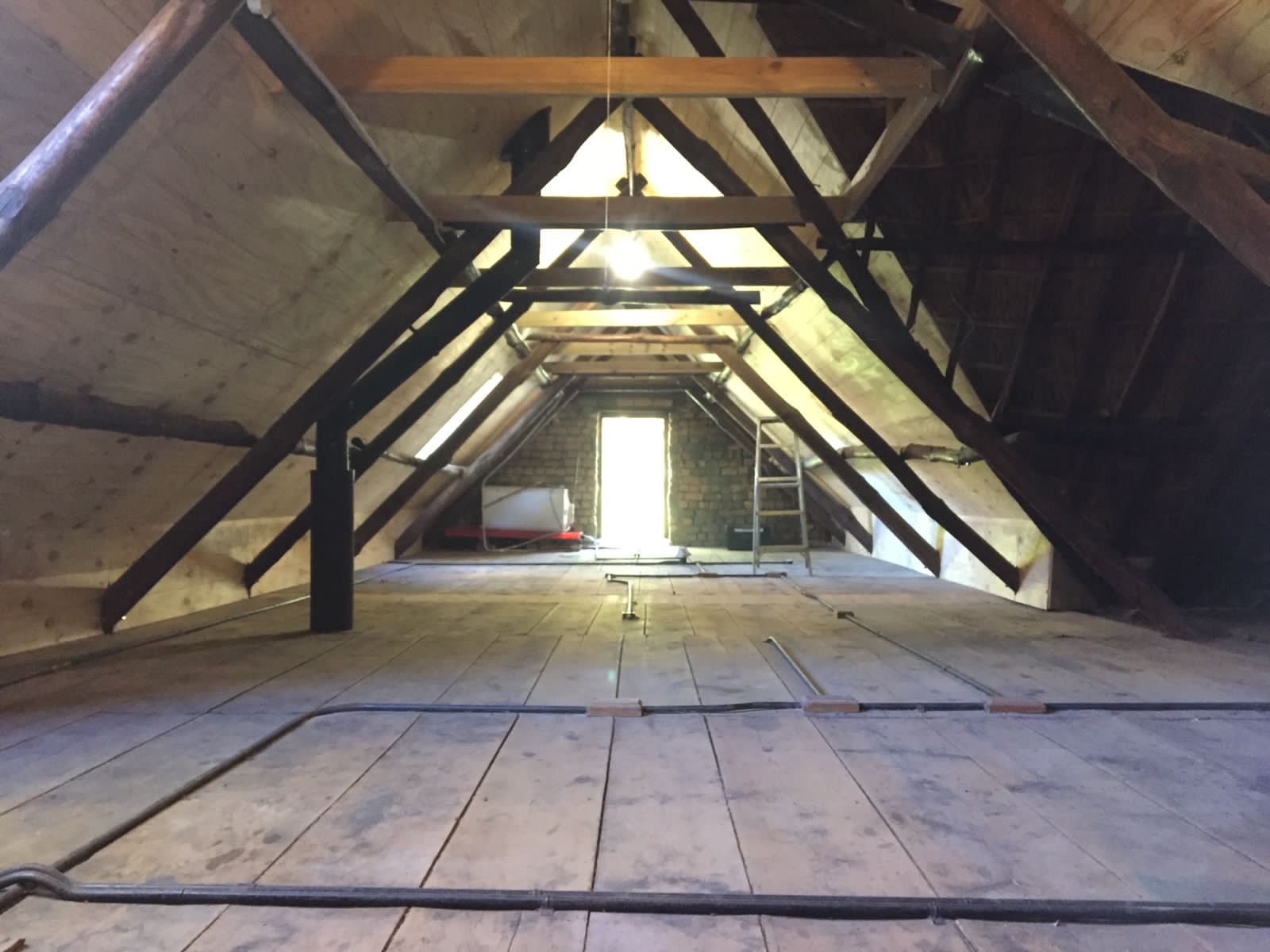
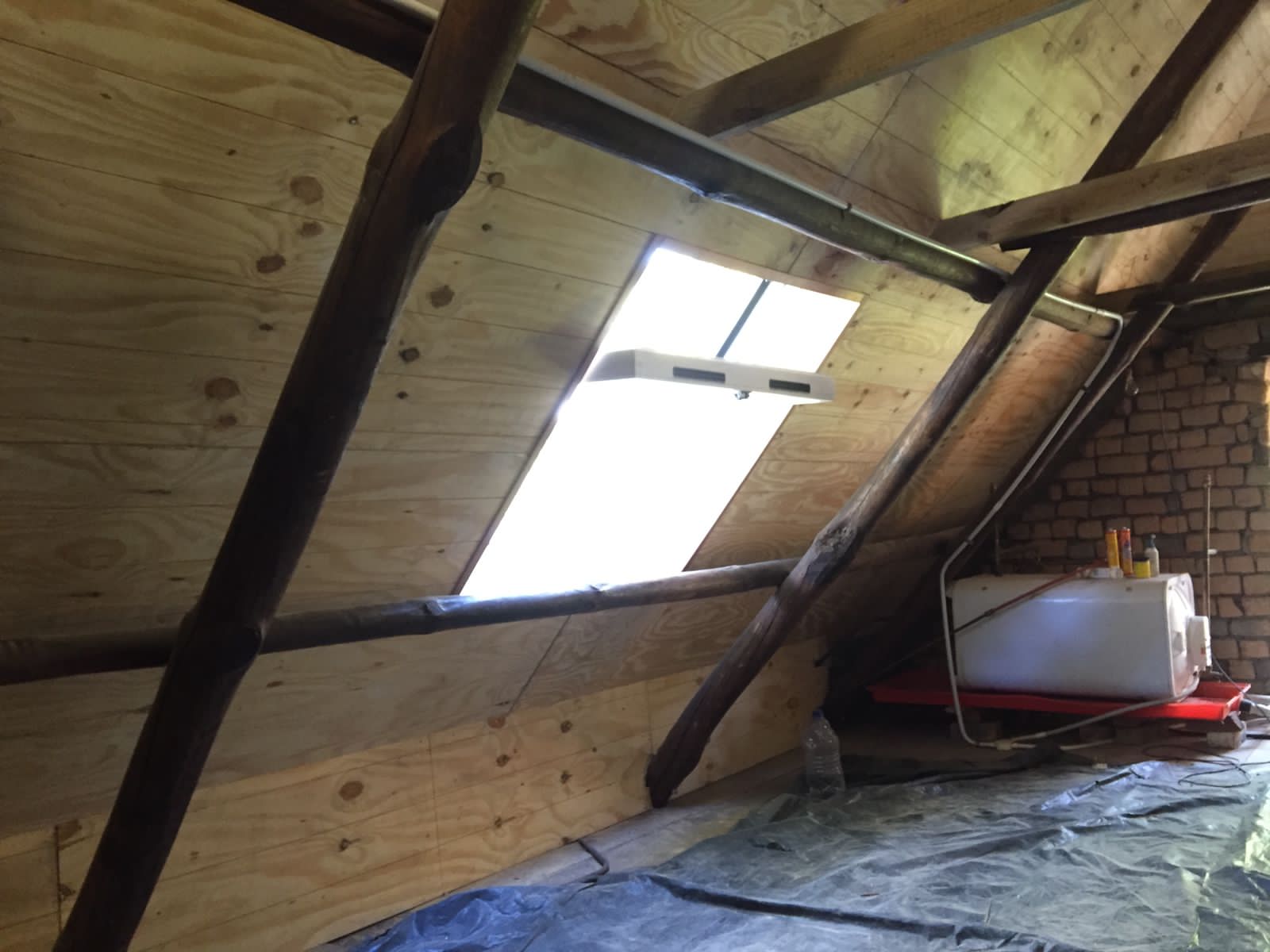
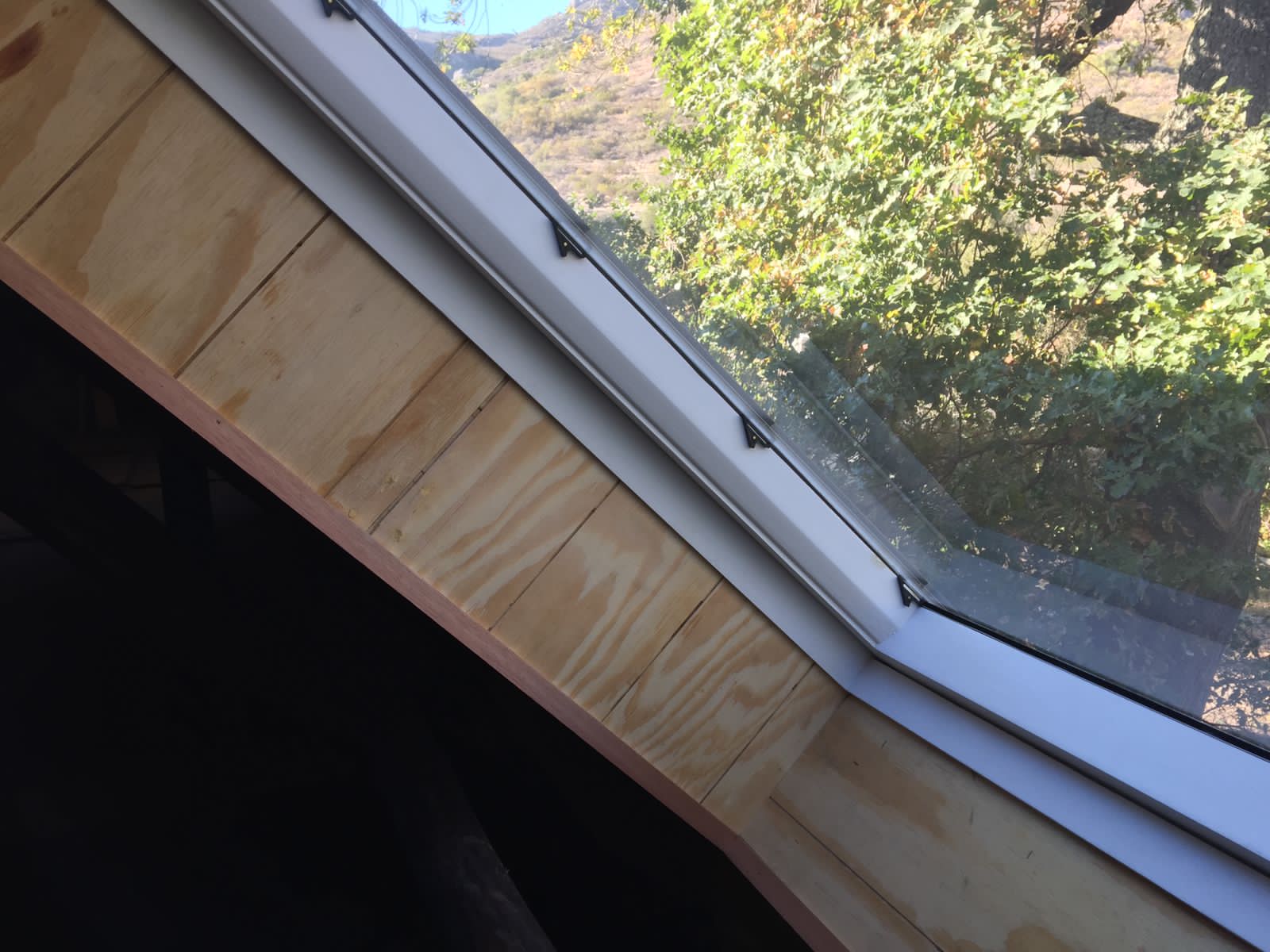
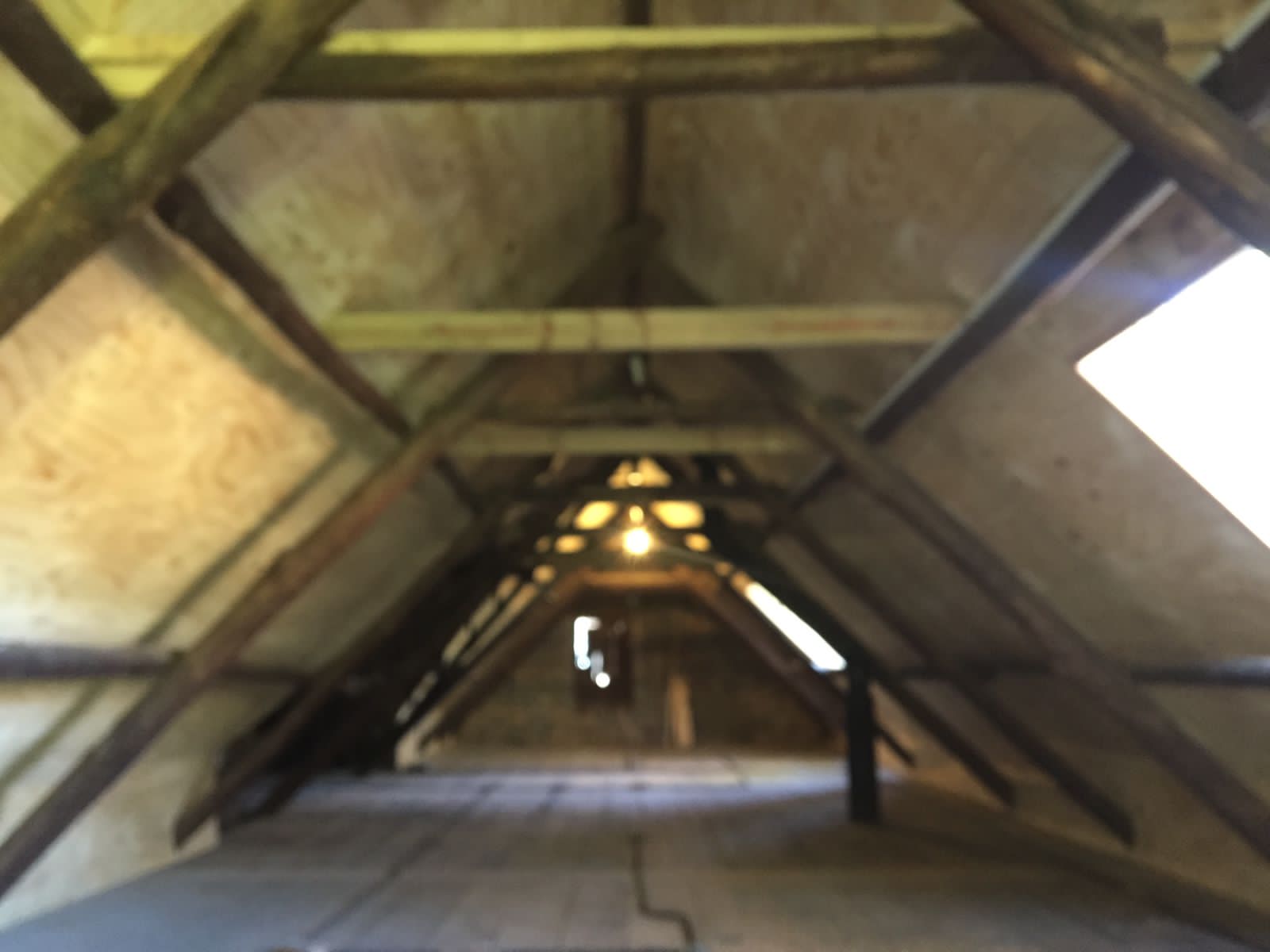
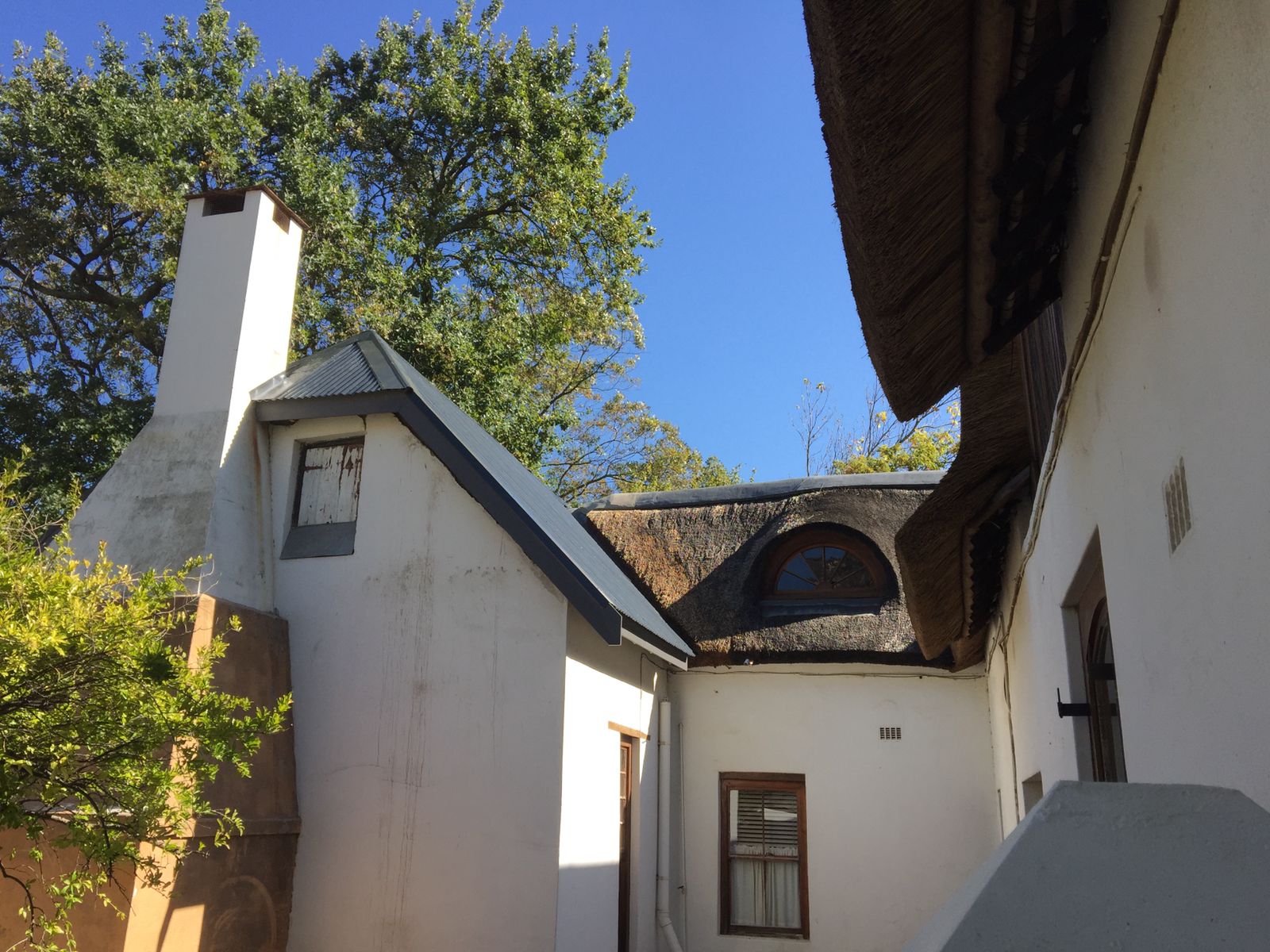
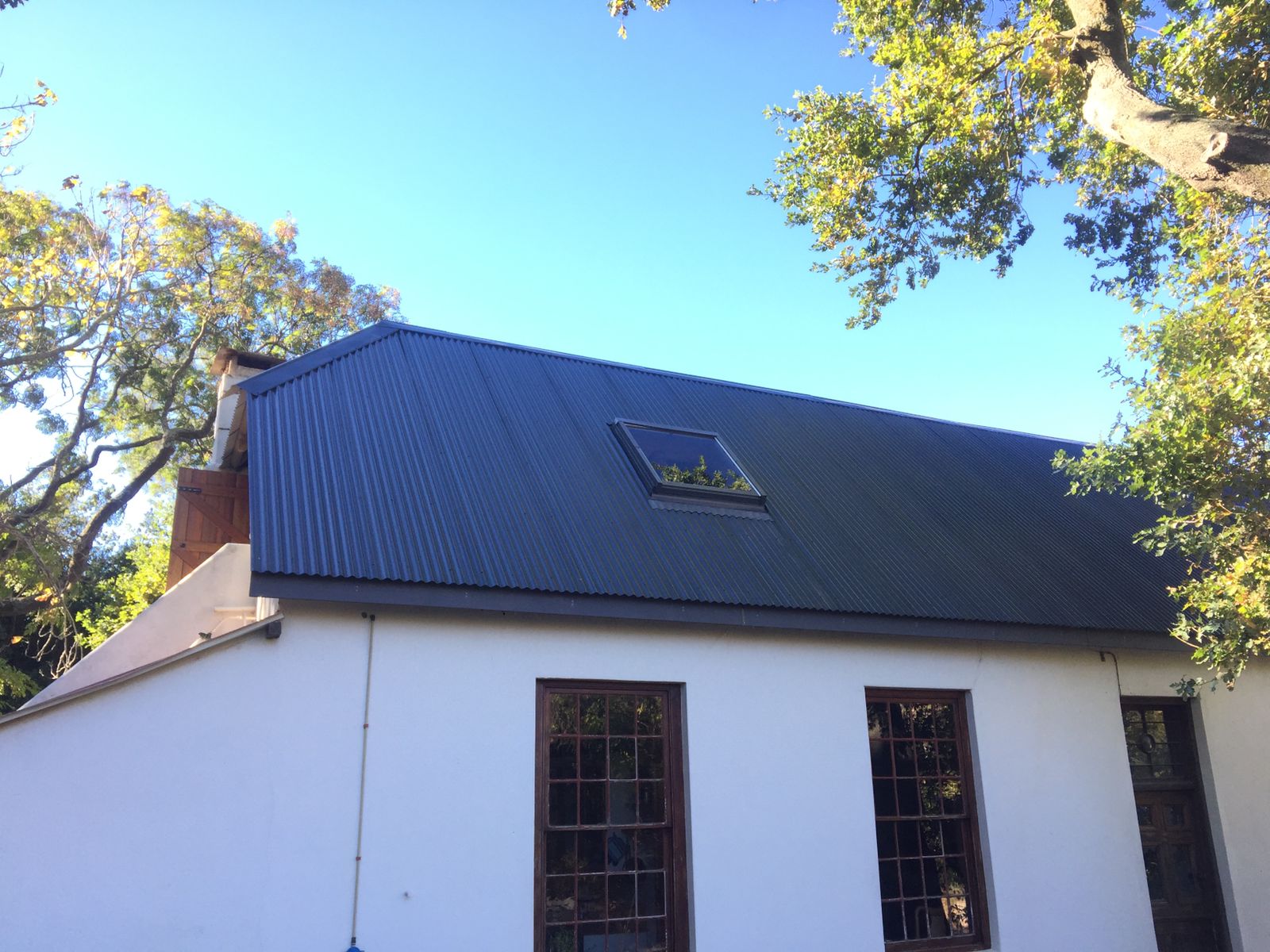
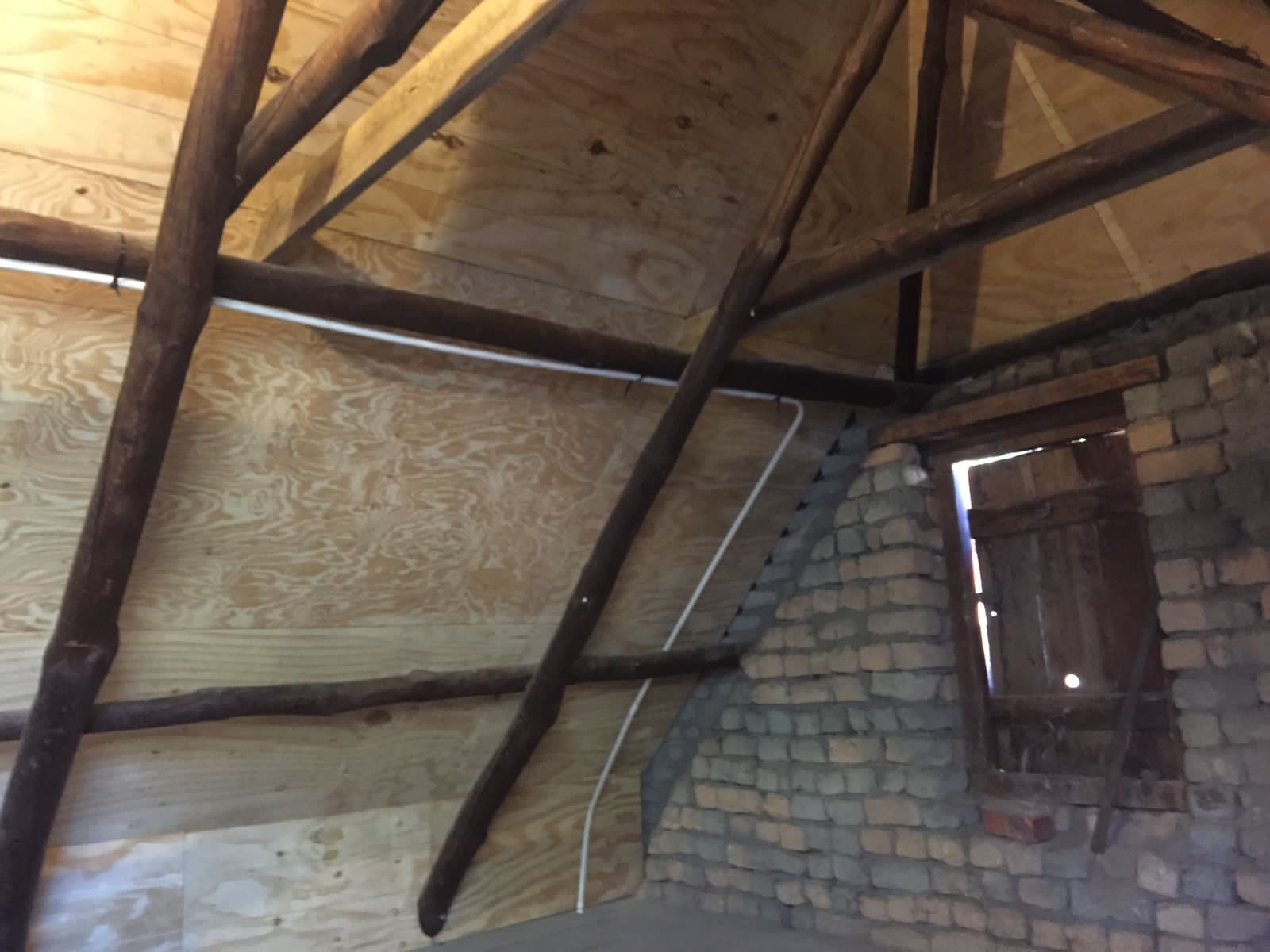
Replace Thatch With Chromadek Cost
One of the most common questions homeowners ask is, “How much does it cost to replace thatch with Chromadek?” Unfortunately, there is no standard answer because every roof is different. The overall cost depends on the size of the roof, its complexity, the condition of the supporting structure and whether additional structural modifications are required before the new roofing system can be installed.
Other factors include the removal and disposal of the existing thatch, strengthening of roof trusses where necessary, insulation requirements, the selected Chromadek profile and the finishing details around chimneys, valleys, gutters and roof edges. Rather than relying on generic online estimates, we recommend a professional site inspection to determine the most accurate cost for your specific property.
What Is Involved In A Thatch Roof Conversion?
A successful thatch roof conversion involves far more than simply removing the existing thatch and installing new roof sheets. The structural framework must first be inspected to determine whether it can safely support the new roofing system. Existing roof geometry, load distribution and timber condition all influence the final design.
Depending on the property, additional structural work may be required before the new roof covering can be installed. Once complete, the result is a durable roofing system that requires significantly less routine maintenance than a traditional thatched roof.
Replacing A Thatched Roof With Corrugated Iron
Many homeowners also investigate replacing a thatched roof with corrugated iron. While corrugated roofing remains a cost-effective solution for many buildings, modern Chromadek roofing generally offers superior corrosion resistance, improved appearance and a wider range of colour options. The best choice depends on the property’s design, budget and long-term maintenance expectations.
For agricultural buildings, workshops and utility structures, corrugated roofing may provide an economical solution. For residential homes and higher-value properties, Chromadek often delivers a cleaner architectural finish while maintaining excellent durability.
Can You Replace A Thatched Roof With Tiles?
Yes, a thatched roof can often be replaced with roof tiles, provided the supporting structure is capable of carrying the additional weight. Concrete and clay roof tiles are substantially heavier than both thatch and Chromadek roofing, so structural alterations are frequently required before installation.
For this reason, a structural assessment is an essential part of any roof conversion project. Choosing the wrong roofing material without considering the existing roof structure can lead to unnecessary costs or future structural issues.
Thatch Roof Alternatives
Today’s homeowners have several alternatives to traditional thatched roofing. The most suitable option depends on the property’s appearance, maintenance expectations, budget and intended lifespan.
Popular alternatives include:
- Chromadek roofing for long-term durability and minimal maintenance.
- Concrete or clay roof tiles for a traditional residential appearance.
- Corrugated roofing for practical agricultural or utility buildings.
- Synthetic thatch for homeowners who wish to retain the appearance of a thatched roof while reducing maintenance.
Each solution offers different advantages, and no single roofing system is right for every property. Selecting the correct option requires balancing aesthetics, maintenance, structural considerations and overall cost.
Is Synthetic Thatch A Good Alternative?
Synthetic thatch has become increasingly popular over recent years because it replicates the appearance of natural thatch while requiring less maintenance. It can be a suitable solution for certain residential and commercial projects, particularly where maintaining a traditional appearance remains important.
However, synthetic products also have their own installation requirements, expected lifespan and cost considerations. The right choice depends on whether preserving the appearance of a thatched roof is more important than adopting an entirely different roofing system such as Chromadek or tiles.
Which Roofing Option Is Best?
There is no universal answer because every property is different. Some roofs are excellent candidates for repairs, while others justify complete re-thatching. In other situations, replacing the roof with Chromadek or another modern roofing system provides the greatest long-term value.
At Thatchscapes, we believe the best advice is impartial advice. If your existing roof can be successfully restored, we’ll recommend repairs or re-thatching. If replacement is the more practical long-term solution, we’ll explain the available options so that you can make an informed decision with confidence.
Request Professional Advice
If you’re weighing up the cost of replacing a thatched roof, comparing Chromadek with tiles or simply looking for honest professional advice, we’re here to help. Every recommendation begins with understanding your property’s existing roof and your long-term goals.
Contact Thatchscapes to arrange a professional roof assessment. We’ll help you determine whether repairs, re-thatching or replacing your roof with Chromadek is the best investment for your property.
Our Latest Projects
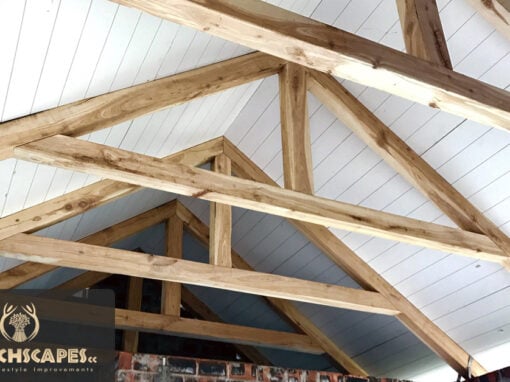
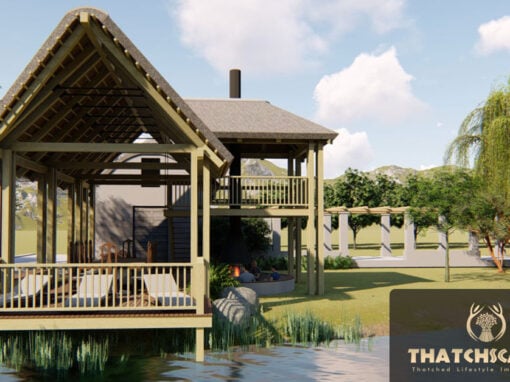
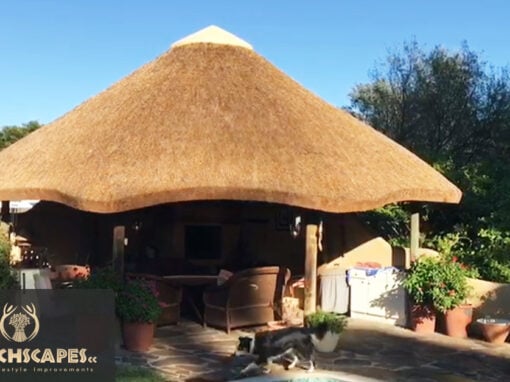
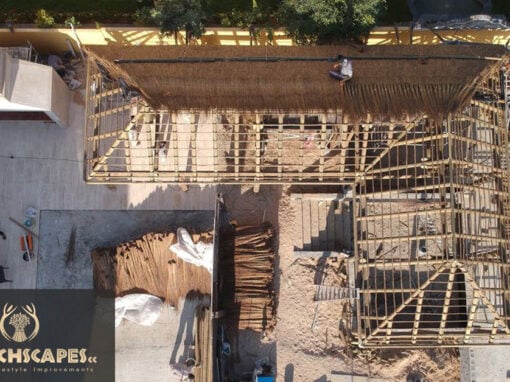
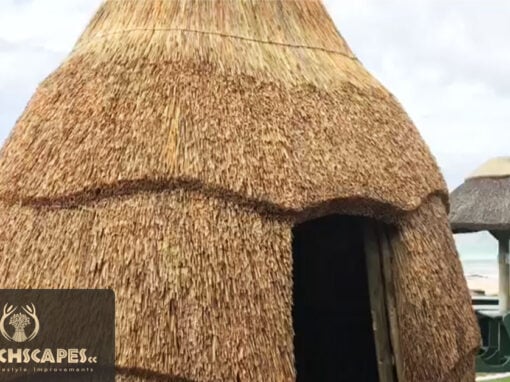
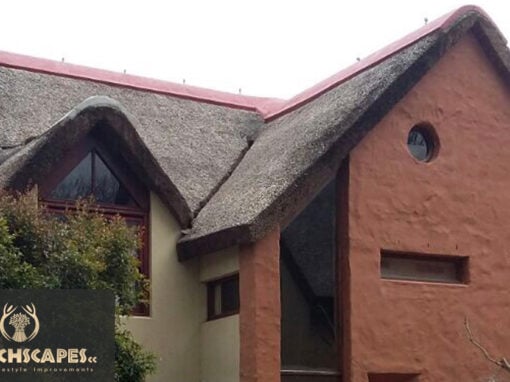
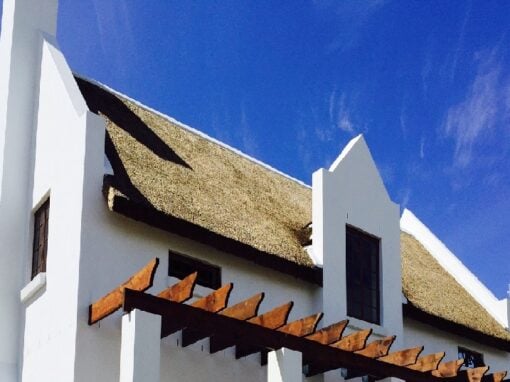
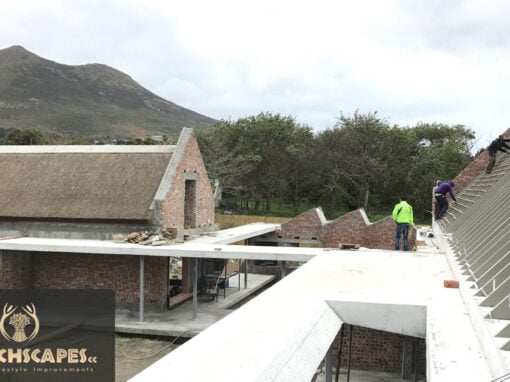
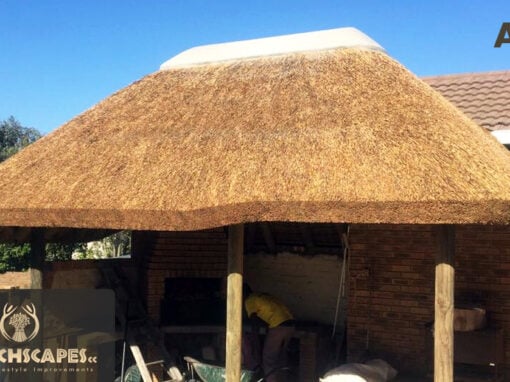
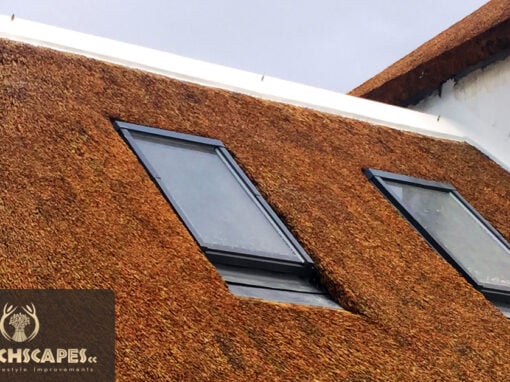
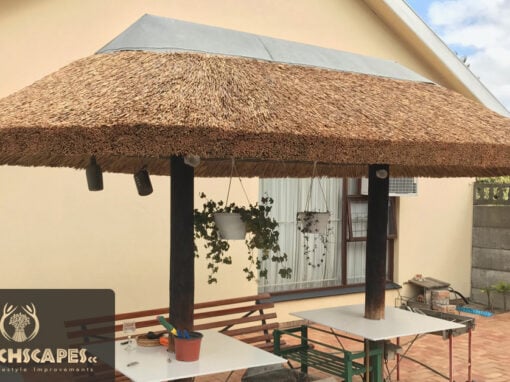
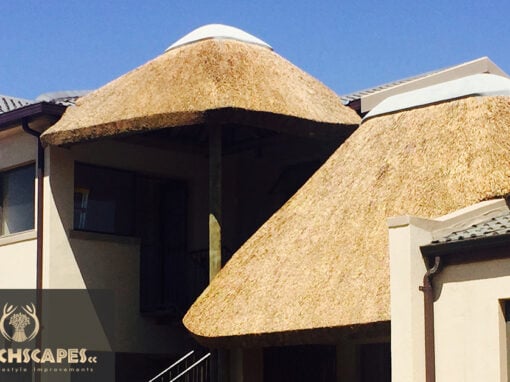
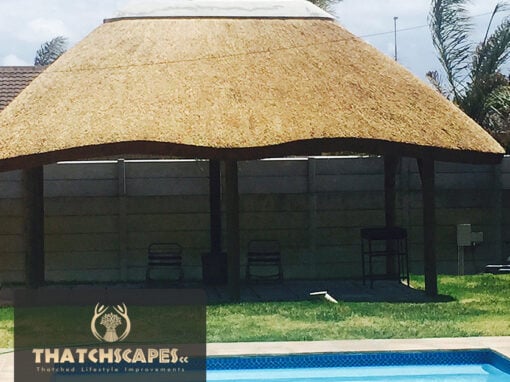
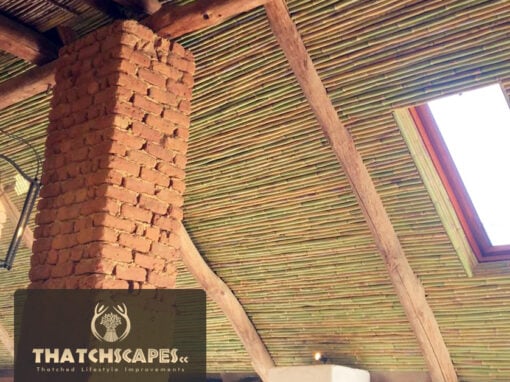
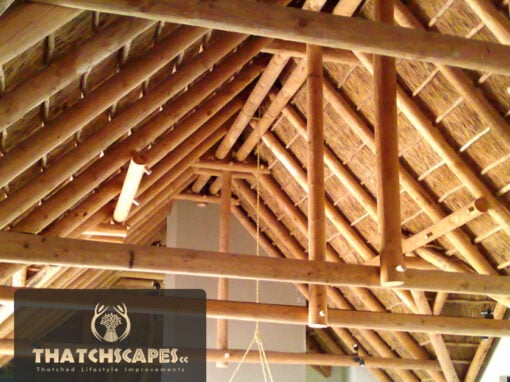
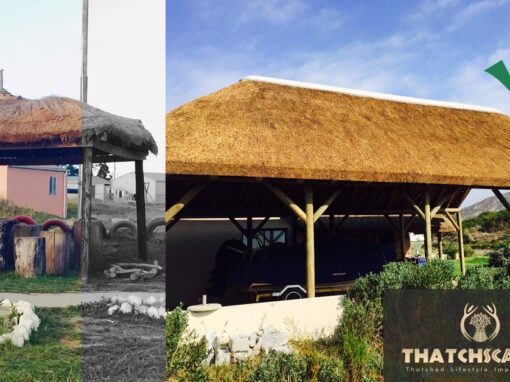
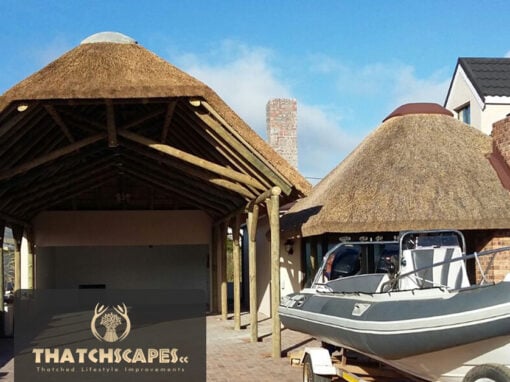
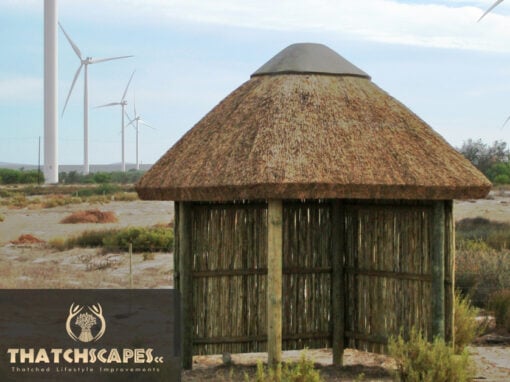
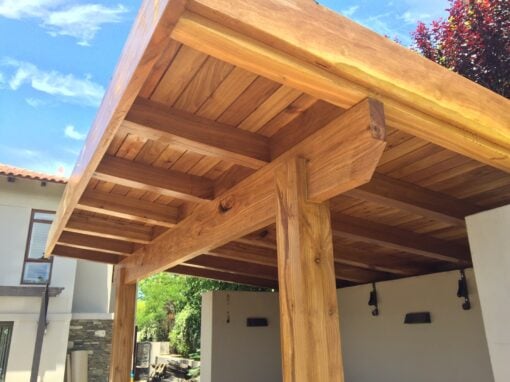
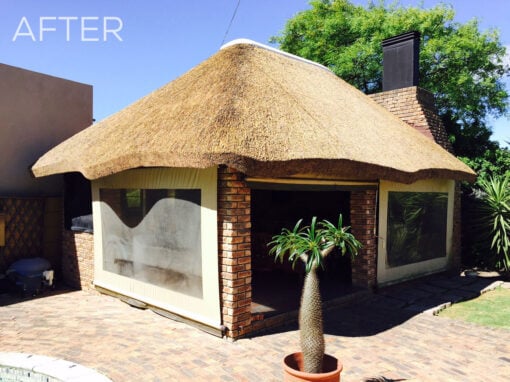
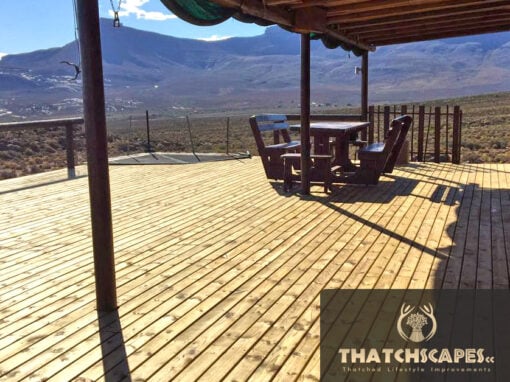
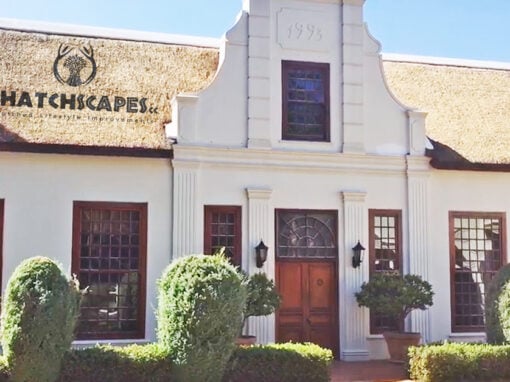
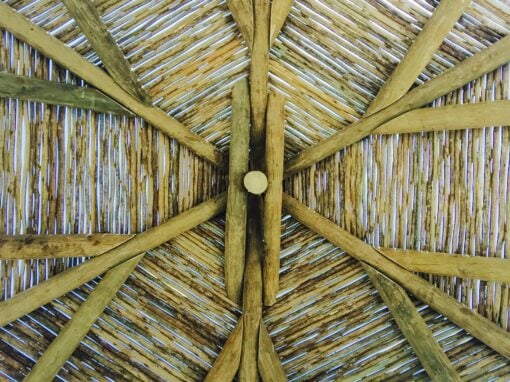
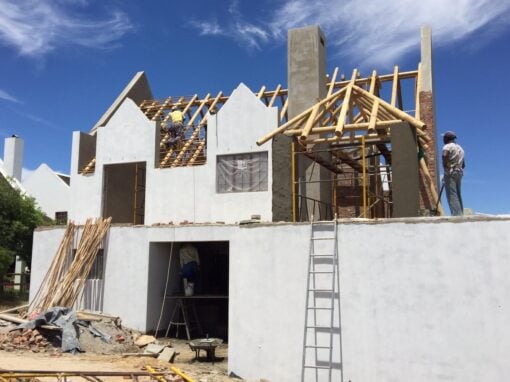
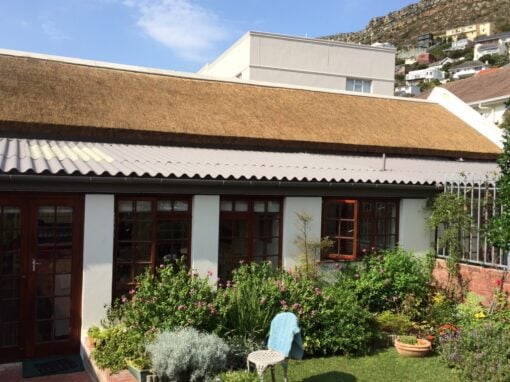
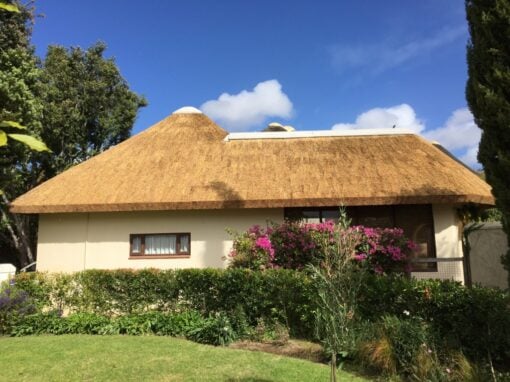
For many years we have been showcasing our projects when we replace thatch with chromadek.. Spend some time looking through them and contact us so we can provide you with your own amazing thatch roof repairs, bamboo ceilings, Pergolas and expertly replace thatch with chromadek. Hover and click on the images below to see more.
Frequently Asked Questions About Replacing A Thatched Roof
How Much Does It Cost To Replace A Thatched Roof?
The cost of replacing a thatched roof depends on several factors, including the size of the roof, its pitch, the condition of the supporting structure, the roofing material you choose and whether structural modifications are required. Because every property is different, the most accurate way to determine the cost is through a professional site inspection and detailed quotation.
How Much Does It Cost To Replace A Thatched Roof With Tiles?
Replacing a thatched roof with tiles is often more expensive than homeowners expect because roof tiles are considerably heavier than thatch. In many cases the existing roof structure must be strengthened before the new roof can be installed safely. The total cost therefore depends on both the roofing material and any structural work required.
Is Chromadek Cheaper Than Re-Thatching?
Not always. While Chromadek generally requires less ongoing maintenance over its lifespan, the initial conversion cost varies depending on the condition of the existing roof. In some situations repairing or re-thatching the roof is the more economical solution, while in others a complete conversion provides better long-term value.
Can Every Thatched Roof Be Converted?
Most thatched roofs can be converted to another roofing system, but every project begins with a structural assessment. The existing timber framework, roof pitch and supporting walls must all be evaluated before determining the most suitable replacement option.
What Is The Best Alternative To A Thatched Roof?
There is no single best alternative for every property. Chromadek is popular because it offers durability and low maintenance. Roof tiles provide a traditional residential appearance, while synthetic thatch allows homeowners to retain the natural look of thatch with reduced maintenance. The right solution depends on your property, budget and long-term goals.
Can You Replace A Thatched Roof With Corrugated Iron?
Yes. Corrugated iron remains a practical roofing solution for many buildings, particularly agricultural and utility structures. For residential homes, however, many owners choose Chromadek because it provides a more refined appearance together with excellent durability and corrosion resistance.
Should I Repair Or Replace My Thatched Roof?
If the roof remains structurally sound, repairs or re-thatching may provide the greatest long-term value. Where the roof has reached the end of its useful life or maintenance has become uneconomical, replacement may be the better investment. Learn more about our Thatch Roof Repairs service or our Thatch Roofing Cape Town solutions before making your decision.
Speak To Roofing Specialists Before Making A Decision
Replacing a thatched roof is a significant investment that affects the appearance, maintenance requirements and long-term value of your property. Rather than relying on generic online advice, let experienced roofing specialists assess your roof and explain the advantages of each option based on your specific circumstances.
Whether your roof requires repairs, complete re-thatching or conversion to Chromadek, Thatchscapes will provide honest recommendations and quality workmanship backed by decades of practical experience. Contact us today to arrange a professional roof assessment anywhere in Cape Town and the Western Cape.
