Construction Details Of Wooden Pergolas South Africa
Understanding the Construction Details of Wooden Pergolas in South Africa
Introduction: The Appeal of Wooden Pergolas
Wooden pergolas have become a signature feature in South African outdoor living design — admired for their natural beauty, shade, and versatility. They provide a perfect blend of functionality and aesthetic appeal, creating shaded spaces that enhance comfort and relaxation.
When built correctly, a wooden pergola not only complements your home’s architecture but also withstands South Africa’s diverse weather conditions. To achieve this, understanding the construction details of wooden pergolas in South Africa is essential.
The Foundation: Structural Planning and Design
Every successful pergola begins with a solid design and foundation plan. The construction process starts with determining the location, dimensions, and purpose — whether the pergola will serve as a patio extension, garden feature, or freestanding entertainment area.
Key considerations include:
-
Orientation: Aligning the pergola to maximize shade and airflow based on the sun’s position.
-
Spacing: Ensuring proper distance between columns for stability and proportional design.
-
Height and Pitch: Most South African pergolas are built with a 30-degree roof incline for visual appeal and efficient drainage.
The foundation typically consists of concrete footings or steel base plates to securely anchor the wooden poles. This structural detail prevents shifting, ensures durability, and allows the pergola to endure strong winds or heavy rain.
Materials: Timber Selection and Treatment
The beauty and longevity of a wooden pergola depend heavily on the quality of timber used. In South Africa, builders commonly use Tanolite-treated blue gum poles, pine, or teak, all chosen for their strength, availability, and resilience.
Treatment is crucial — timber used outdoors must be pressure-treated to resist rot, moisture, and insect damage. Tanolite or CCA (Copper Chrome Arsenate) treatments are widely applied to protect wood from decay and termites, ensuring your pergola remains sturdy and low-maintenance for years.
To enhance aesthetic appeal, some homeowners opt for stained or sealed finishes that bring out the wood’s natural grain while adding an extra layer of protection against UV exposure.
Joinery and Structural Details
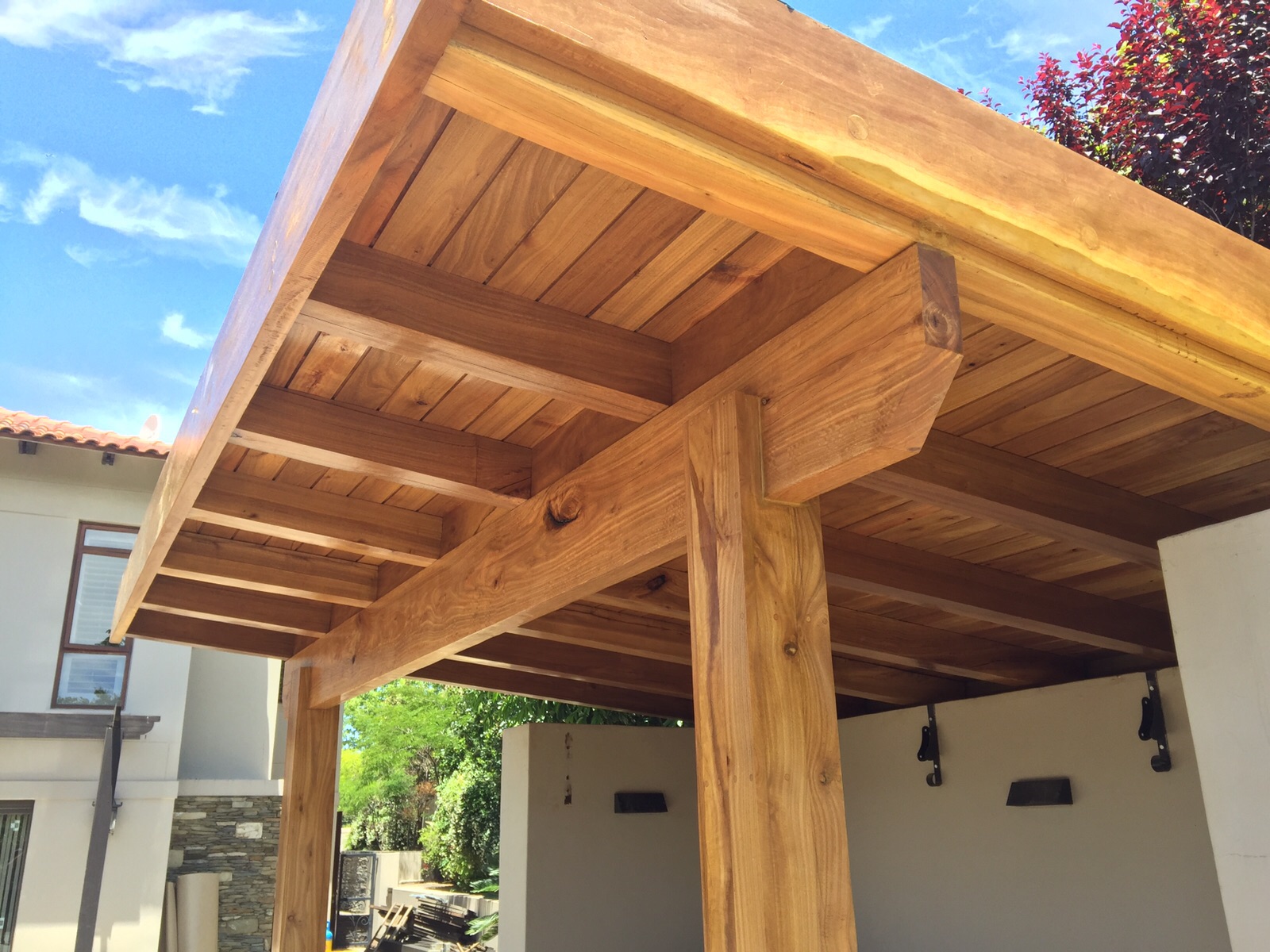
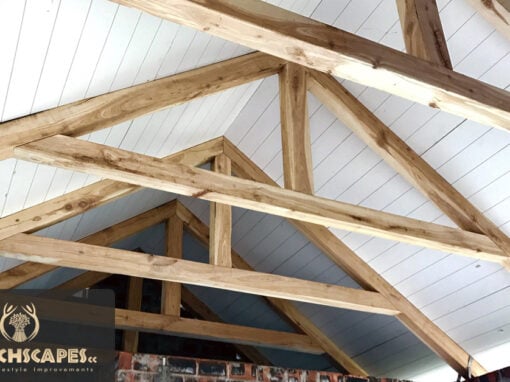
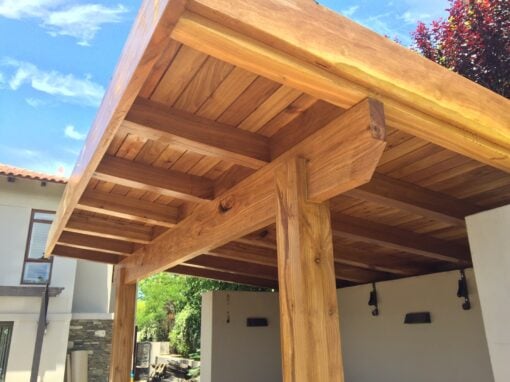
Expert craftsmanship defines the quality of any pergola. The construction details of wooden pergolas South Africa emphasize precision joinery — the way beams, rafters, and columns are connected for both strength and visual harmony.
Common joinery methods include:
-
Mortise and Tenon Joints: Traditional and highly stable, ideal for heavy timber pergolas.
-
Galvanized Steel Brackets: Offer strong connections and modern aesthetics.
-
Bolted Connections: Provide flexibility and easy assembly for modular pergola kits.
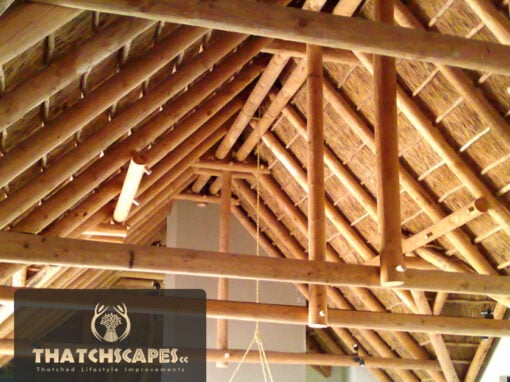
The rafters are usually laid perpendicular to the beams, with uniform spacing to allow filtered sunlight. Some designs incorporate decorative end cuts or lattice panels to enhance visual appeal.
Roof Options and Functional Design
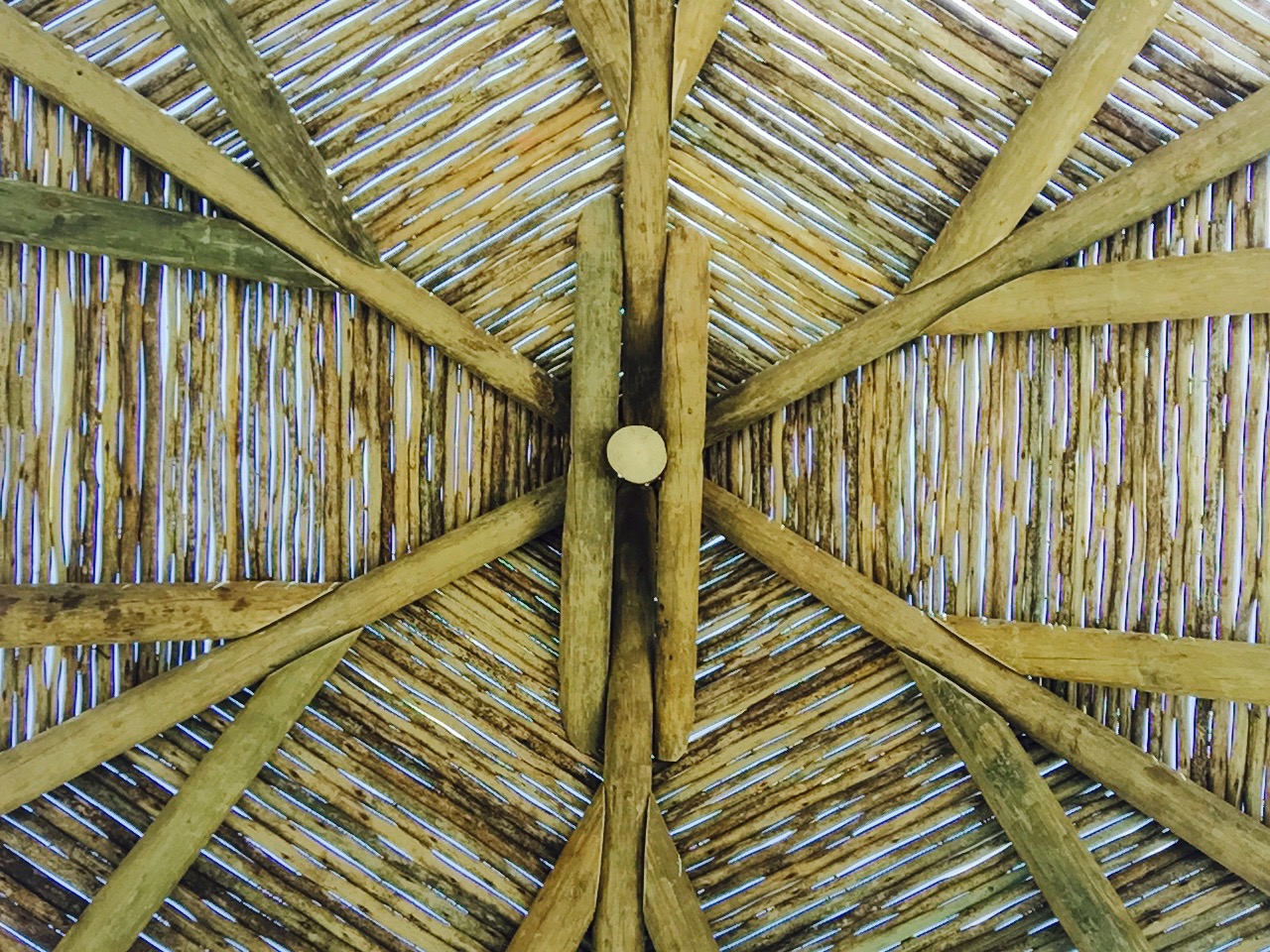
While classic wooden pergolas feature open-lath roofs, modern variations may include polycarbonate panels, retractable fabric covers, or bamboo shading. These additions improve weather resistance and comfort without compromising the pergola’s open-air charm.
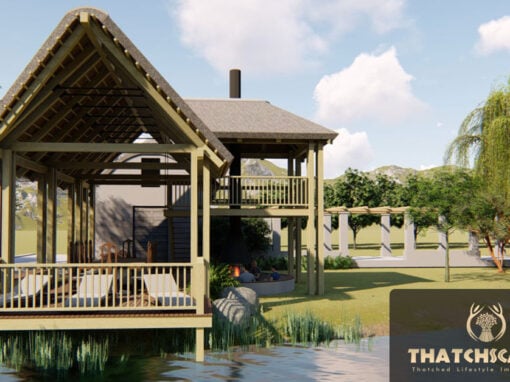
In South Africa’s sunny climate, semi-covered pergolas are particularly popular for creating versatile outdoor living areas — providing both sun protection and airflow.
Sustainability and Eco-Friendly Practices
Sustainability is increasingly important in South African construction. Builders often source timber from responsibly managed forests or use reclaimed wood to reduce environmental impact. Choosing eco-friendly sealants and treatments also supports a greener building approach.
By incorporating these sustainable practices, homeowners can enjoy a structure that’s not only beautiful but also environmentally responsible.
Practical Insights into the Construction Details of Wooden Pergolas in South Africa
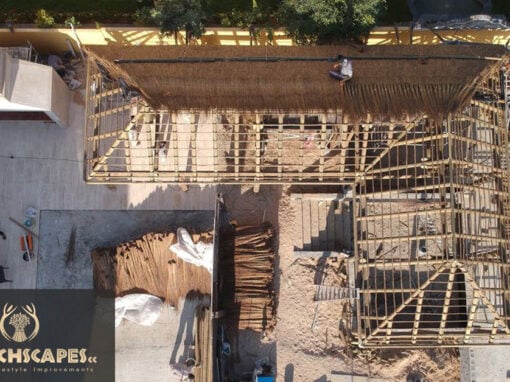
Step-by-Step Construction Process
Building a wooden pergola involves several critical stages that ensure safety, functionality, and aesthetic quality.
Here’s a simplified overview:
-
Site Preparation: Clear and level the area where the pergola will stand.
-
Foundation Setup: Dig post holes and pour concrete for a strong base.
-
Post Installation: Erect vertical support poles, ensuring they are perfectly aligned.
-
Beam and Rafter Assembly: Attach horizontal beams securely with bolts or brackets, followed by rafters or slats.
-
Finishing Touches: Sand, stain, or seal the wood and add decorative elements or roofing if required.
Each step requires careful measurement and skilled workmanship to maintain symmetry, strength, and balance.
Design Customization for South African Homes
The versatility of wooden pergolas allows for endless design customization. Whether you prefer a modern minimalist structure with clean lines or a rustic farm-style pergola made from rough-sawn timber, the options are endless.
Popular custom additions include:
-
Built-in seating or planters for a functional touch.
-
Outdoor lighting for ambiance and safety.
-
Retractable awnings or blinds for adjustable shade.
-
Climbing plants like bougainvillea or jasmine for natural decoration.
These design features transform a simple pergola into a luxurious extension of your home.
Maintenance and Longevity
One of the biggest advantages of properly treated timber is its long lifespan. With minimal care, a wooden pergola can last decades. To ensure durability:
-
Reapply protective sealant or stain every few years.
-
Inspect joints and fasteners for signs of wear.
-
Clean regularly to prevent mold and debris buildup.
Thanks to South Africa’s abundance of quality timber and skilled craftsmanship, wooden pergolas remain a durable, low-maintenance choice for outdoor living.
Value and Aesthetic Impact
Beyond functionality, a pergola adds architectural value to your home. It extends your living space, improves curb appeal, and increases property value — making it both a practical and financial investment.
A beautifully constructed wooden pergola reflects craftsmanship and sophistication while providing a relaxing retreat right in your backyard.
Partnering with Skilled Builders
To achieve the best results, always work with professional pergola builders who understand local conditions and construction standards. Experts in wooden pergola construction in South Africa can guide you through timber selection, design, and installation, ensuring that your structure is both safe and stunning.
Bring Your Pergola Vision to Life
Whether you’re in Cape Town, Durban, Johannesburg, or Pretoria, investing in a wooden pergola enhances your outdoor lifestyle. With proper design, quality materials, and expert construction, your pergola will stand as a beautiful testament to craftsmanship, functionality, and timeless design.
Start your journey today — contact professionals who specialize in the construction details of wooden pergolas in South Africa and turn your outdoor space into a masterpiece of natural beauty and comfort.
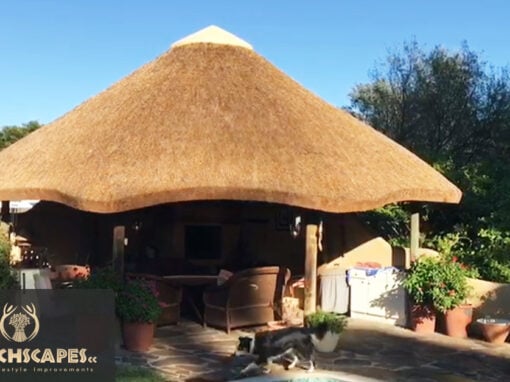
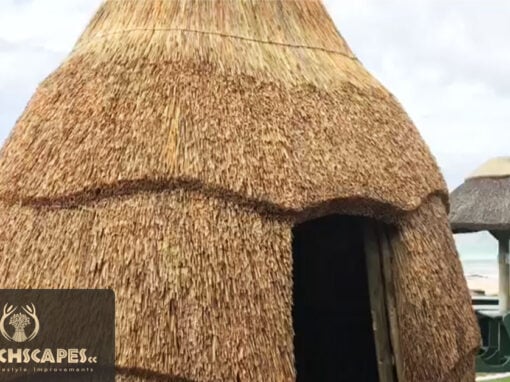
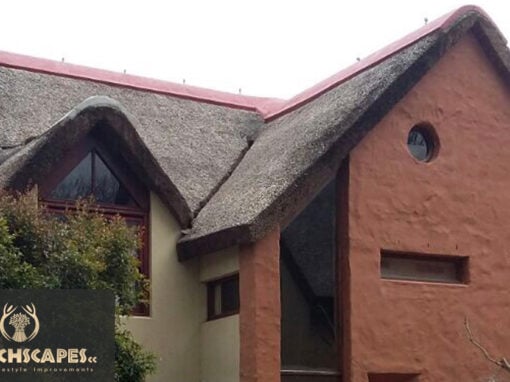
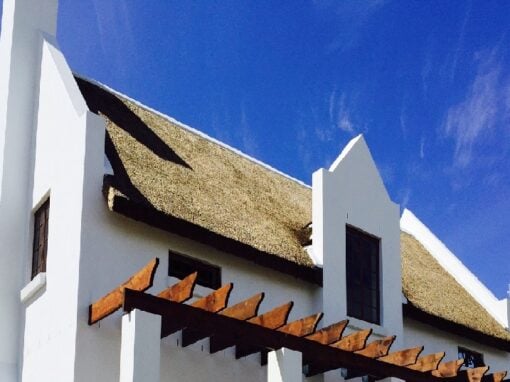
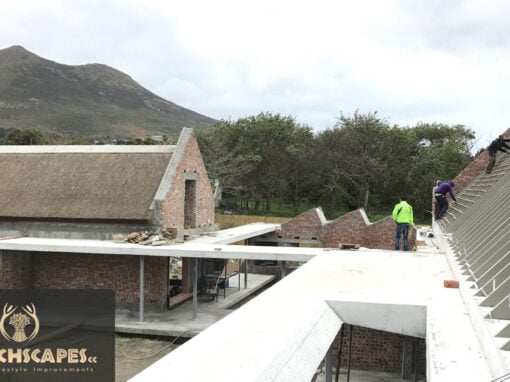
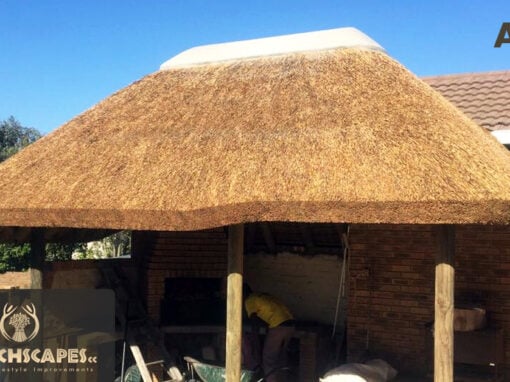
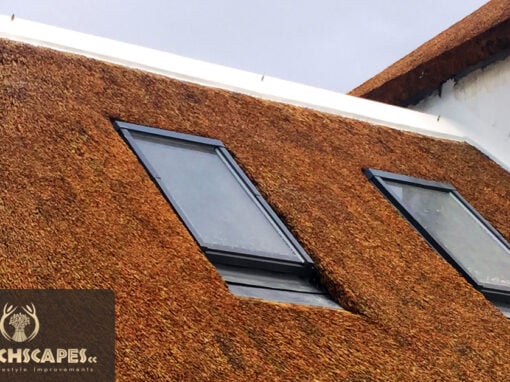
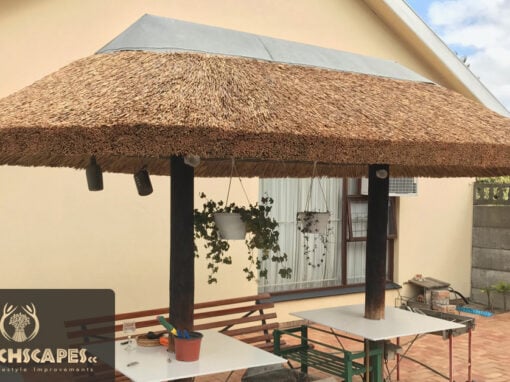
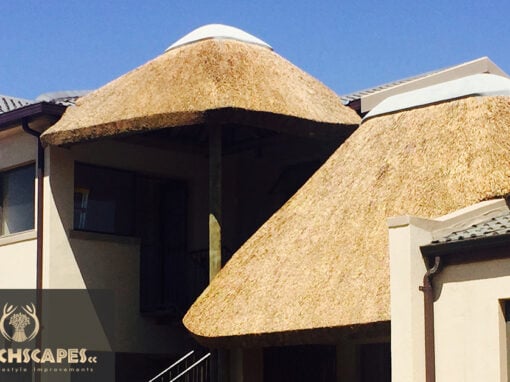
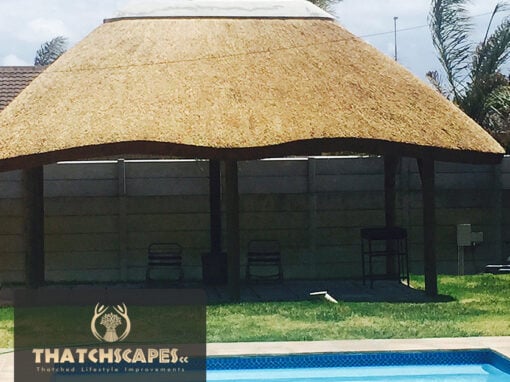
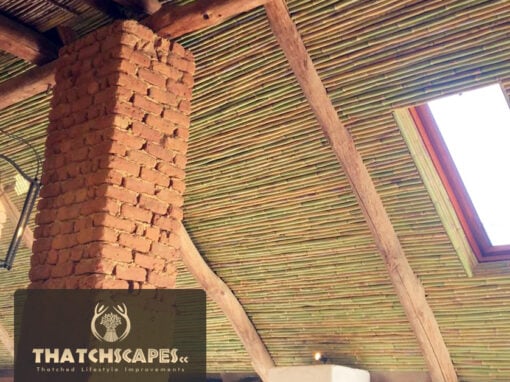
Pergola Cape Town Gallery
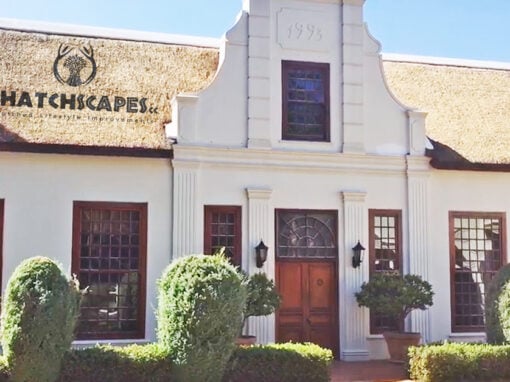
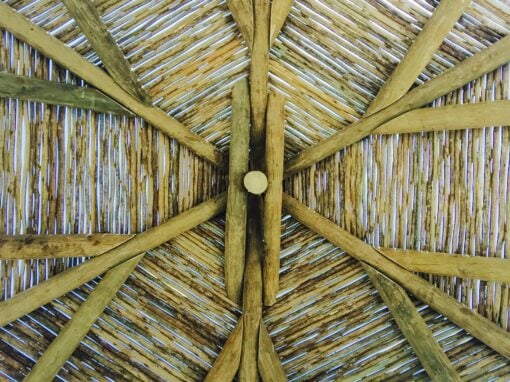
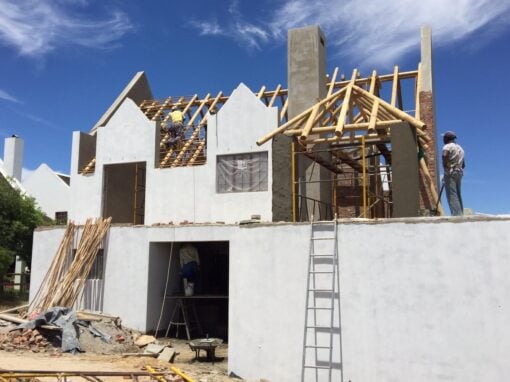
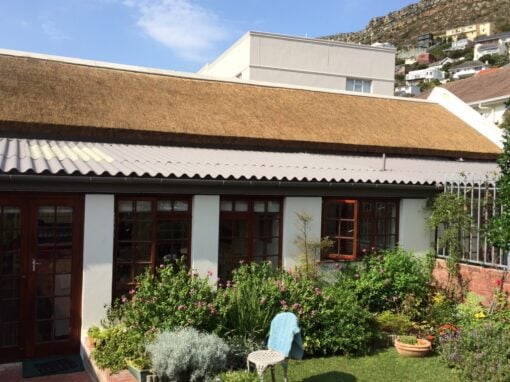
Since 1998 we have been showcasing our amazing installed Pergola Cape Town projects. Spend some time looking through them and contact us so we can provide you with your own amazing thatch roof repairs, bamboo ceiling, and more. Hover and click on the images below to see more.